I am interested in building AI systems that learn and improve continually from data, experience, and human feedback.
My long-term vision is AI that keeps learning and growing in an open-ended world, while expanding what people can understand and achieve. I am drawn to questions about how intelligence can develop over time, generalize beyond familiar settings, and work alongside people in discovery and problem-solving.
Research interests
Data-centric AI
How can data and evaluation reveal where AI systems succeed or fail, and guide their improvement? I am interested in data quality, distribution shifts, and learning that generalizes reliably across tasks and environments.
Self-improving agents
How can agents acquire, organize, and reuse knowledge from experience? I am interested in continual adaptation, long-horizon decision-making, and how feedback can improve agent skills, workflows, and learning processes over time.
Human–AI interaction
How can people and AI learn from and work with one another? I explore interaction that makes AI behavior understandable and steerable, incorporates human expertise, and supports complex, open-ended work.
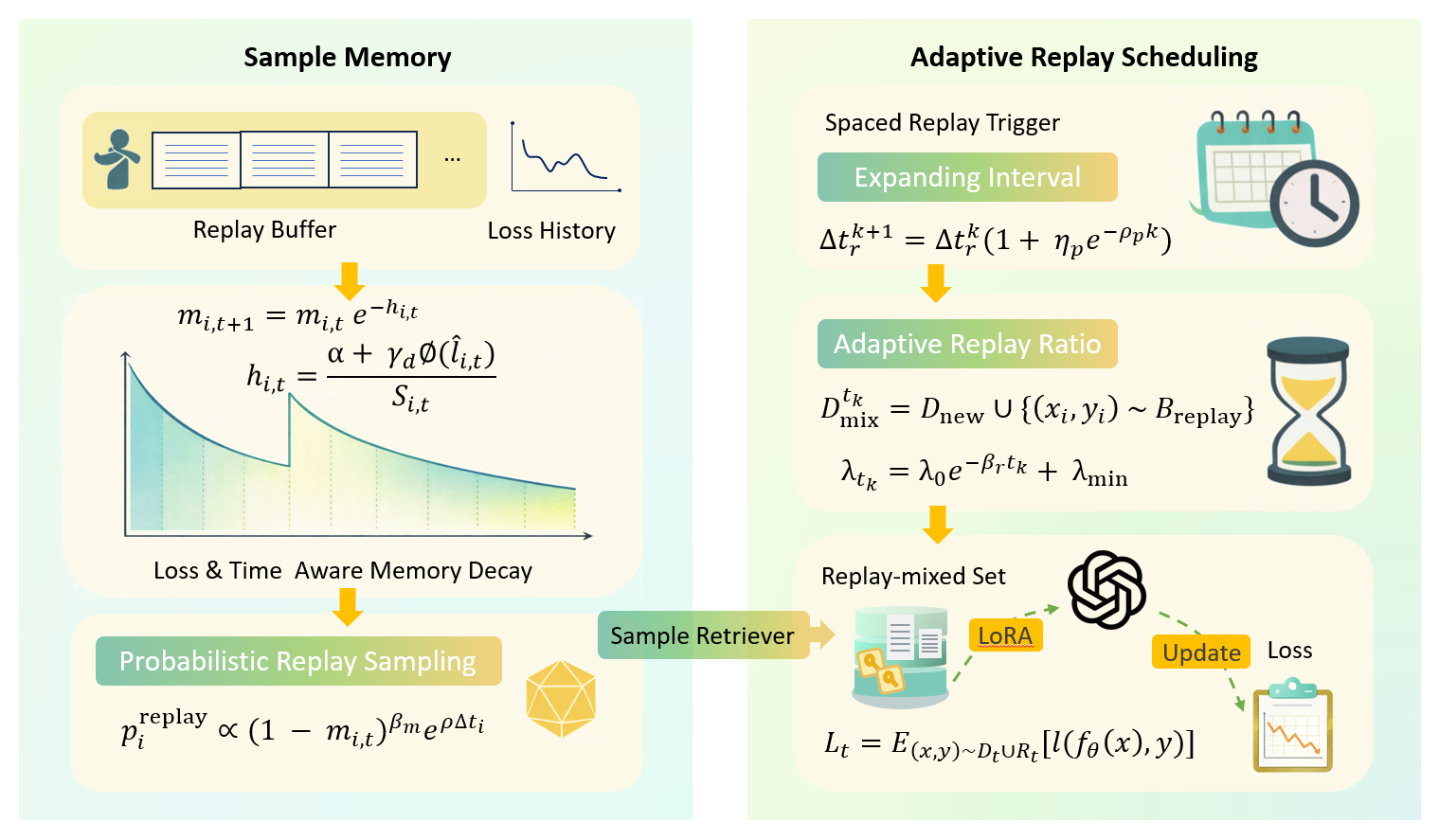
These interests build on my work in visual analytics, model diagnosis, continual learning, and agent skill learning.
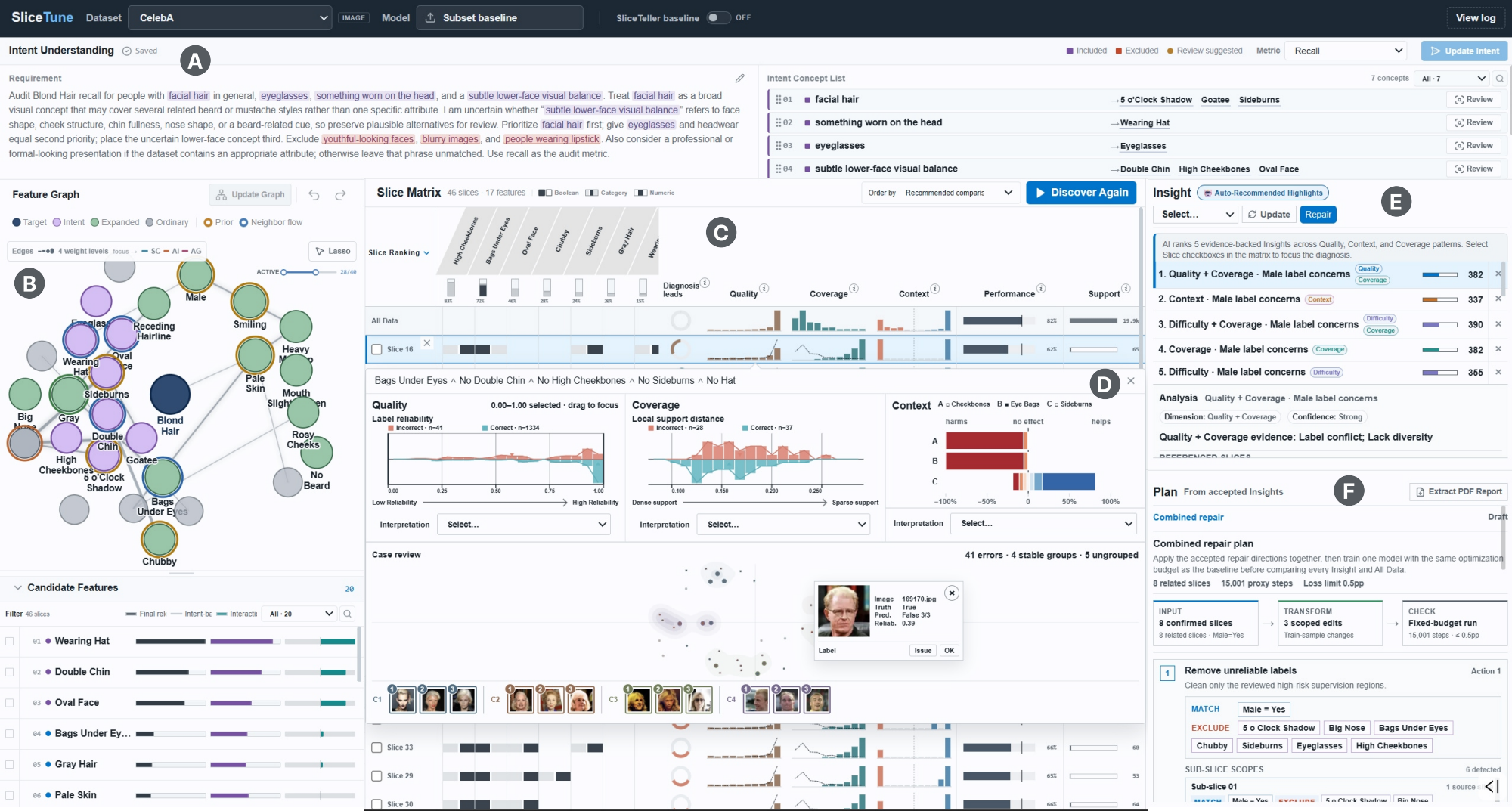
Designed and built intent-guided failure-slice discovery, mapping validation goals to data attributes through a Feature Graph.
Led evaluation through image, audio, and text case studies, a controlled user study, and expert interviews to assess failure discovery, diagnosis, and data-guided model improvement.
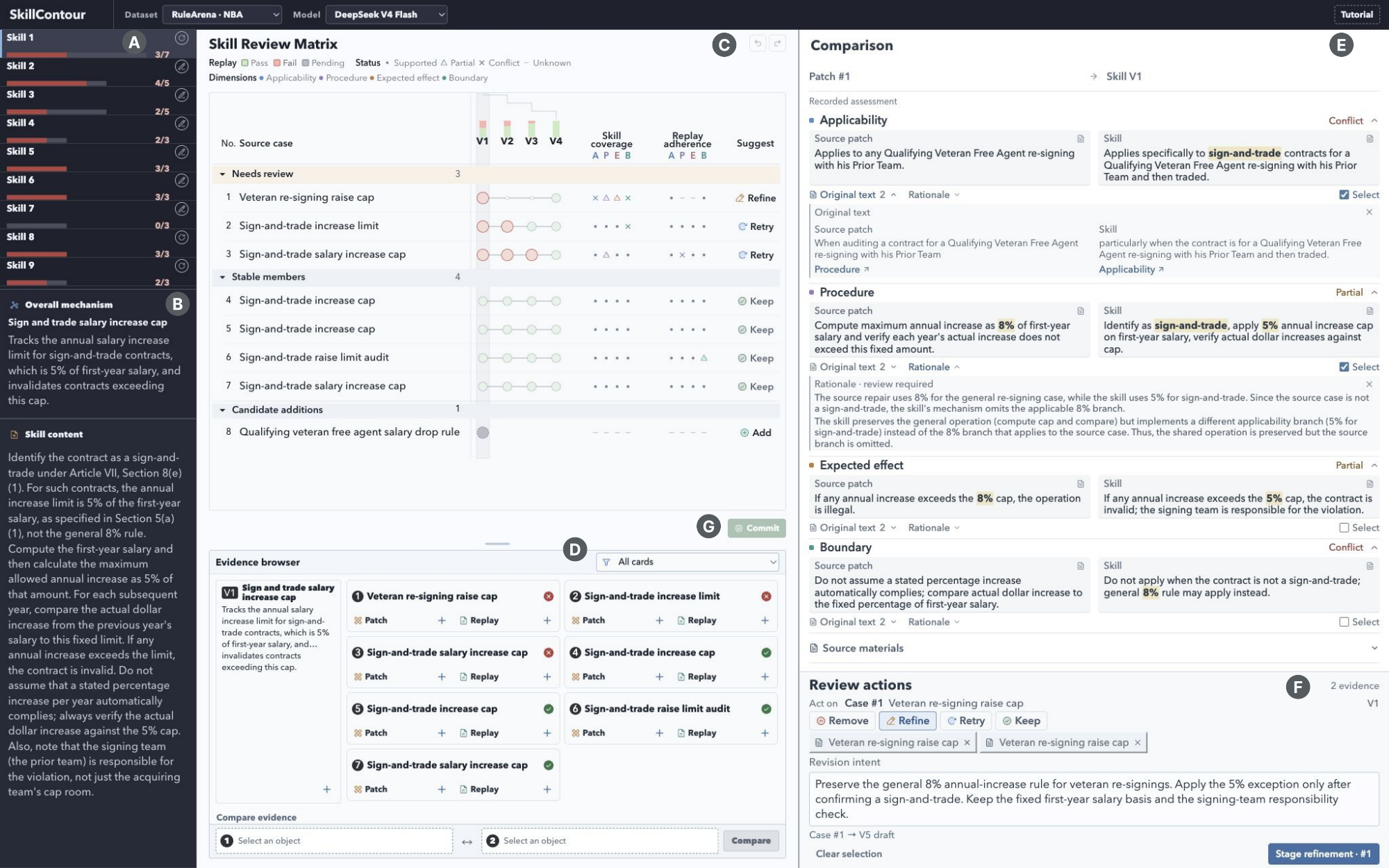
Built an evidence-linked skill refinement workbench connecting source patches, skill instructions, and execution traces for regrouping, re-synthesis, and replay.
Led user and task evaluations showing stronger diagnostic support and higher agent accuracy than automatic consolidation and text-based review.
Designed replay-validated skill consolidation, using cross-instance replay and mechanism checks to assess compatibility before committing merged skills.
Demonstrated gains in rule-based, legal, and abstract reasoning without parameter updates, with learned skills transferring across model sizes and families.
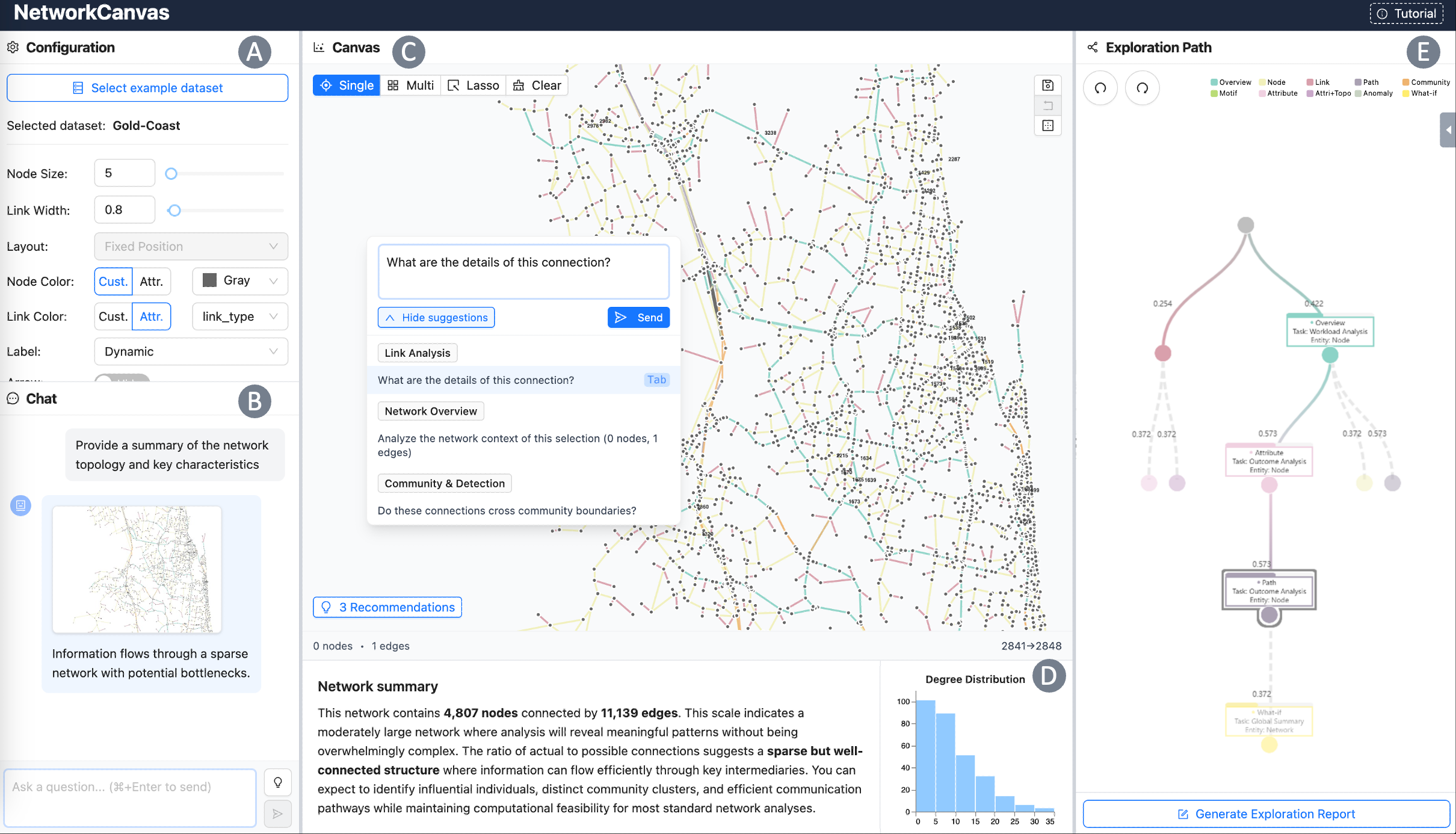
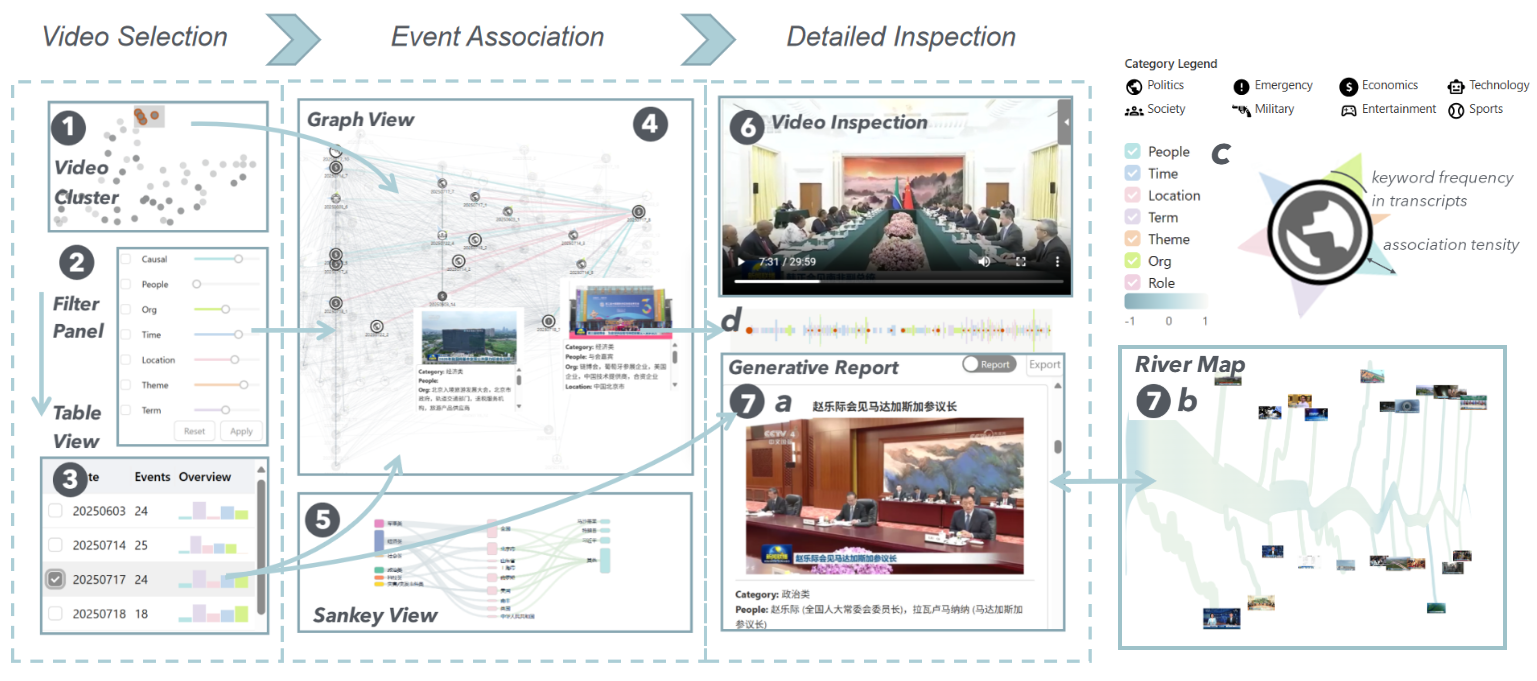
Implemented visualization and feedback components for adaptive network exploration and branching histories; contributed to data integration, figures, and study documentation.
Controlled studies found more noteworthy observations and higher analytical confidence than exploration without recommendations.